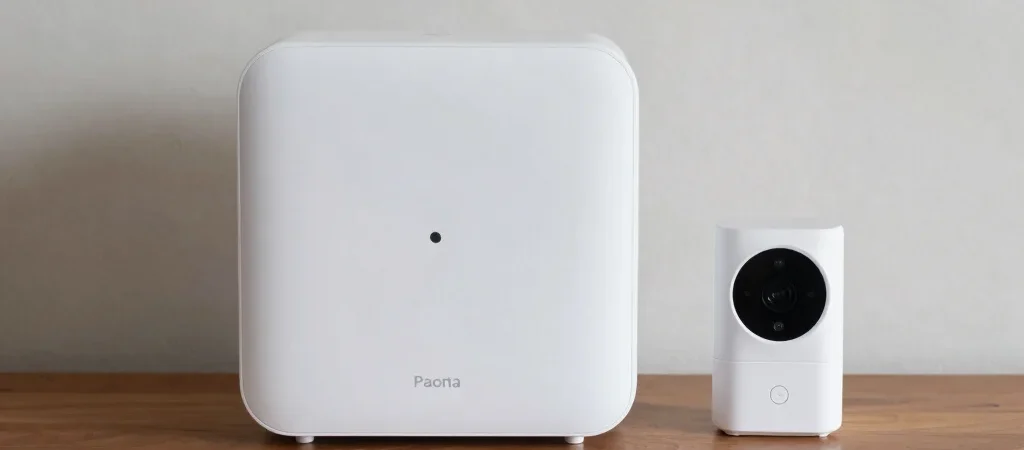
Building a responsive home security system requires looking beyond monthly subscription fee headlines to analyze hardware reliability and ecosystem compatibility. Our buying criteria focus on practical utility: local video backup options, sensor detection range, power outage resilience, and mobile application speed. SmartChoiceHub contains independent referral links that may yield a commission to support our ongoing testing process.
Local Storage vs Cloud Subscription Costs
Relying exclusively on cloud subscriptions can add significant recurring expenses over three to five years of ownership. Systems that offer encrypted local storage via SD card slots or local base station drives protect video privacy while eliminating required monthly fees. Evaluating total cost of ownership over time reveals the true value analysis of each platform.
Sensor Network Reliability and Power Backups
Contact sensors on windows and motion detectors near entryways must report activity instantaneously without dropping connection from the hub. Z-Wave and Zigbee mesh networks offer stronger wall penetration and lower battery drain than direct Wi-Fi sensors. Furthermore, base stations equipped with battery backups ensure monitoring continuity even during local power grid failures.
The Verdict for Practical Security
Selecting the right security ecosystem depends heavily on whether you prioritize easy DIY installation or zero recurring monthly fees. A modular system that lets you start with basic door sensors and expand to outdoor cameras provides the best long-term flexibility. Focus on platform interoperability to ensure your security hub integrates seamlessly with your existing smart devices.