
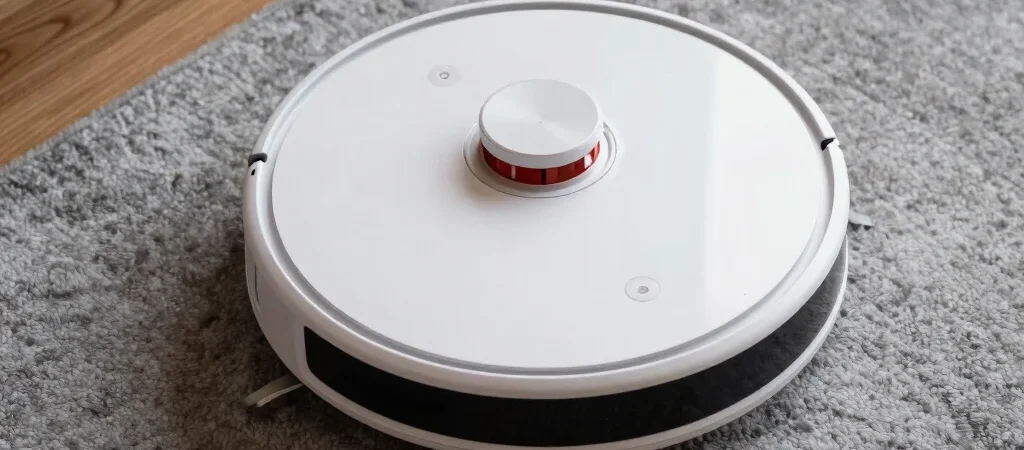
Robot vacuums have evolved from simple random-bump disc units into sophisticated mapping appliances, but performance varies drastically across floor surfaces. To provide a clear side-by-side breakdown, we evaluated six leading units on hardwoods, low-pile rugs, and plush carpets. SmartChoiceHub participates in affiliate partner programs, earning a commission on qualifying sales without increasing costs for readers.
Mapping Technology and Navigation Precision
LIDAR navigation systems create precise floor plan maps on the first pass, allowing the vacuum to navigate around table legs and doorway thresholds without missing spots. Optical camera systems perform well in bright daylight but struggle in dark rooms or under low-clearance furniture. For multi-room layouts with tight corridors, laser guidance consistently saves cleaning time and prevents battery drain.
Suction Power vs Maintenance Frequency
High Pascal suction ratings look impressive on spec sheets, but roller brush geometry determines how much debris actually reaches the dustbin. Rubber brush rollers prevent long hair tangles far better than traditional bristle brushes, significantly lowering weekly maintenance time. Self-emptying base stations add convenient hands-free operation for weeks, though they increase the overall footprint in small utility spaces.
The Verdict on Flooring Specifics
If your home is primarily hardwood with minimal rugs, an entry-level navigation unit with strong sweep brushes delivers excellent efficiency without a high price tag. Homes with deep carpet fibers or shedding pets demand high-pressure suction and tangle-free roller designs to keep carpets clean. Match your purchase to your primary flooring type rather than paying for unnecessary obstacle avoidance sensors.


